The 2023 season saw plenty of controversy around the penalty systems, with riders accusing race direction of being too soft, and others accusing them of being too harsh. So how are penalties decided? Who has the final say and what guidelines do they use? 2024 is set to be the most competitive season yet, which will come hand in hand with feisty moves as riders try to get any advantage they can.
Who gives the penalties in MotoGP?
There are two key bodies a fan needs to be aware of over a race weekend- the Stewards Panel and Race Direction.
Race Direction is responsible for the running of each session. They will keep an eye on conditions, safety issues, scheduling, and managing incidents on and off track. They keep a close eye on every inch of track during a race weekend.
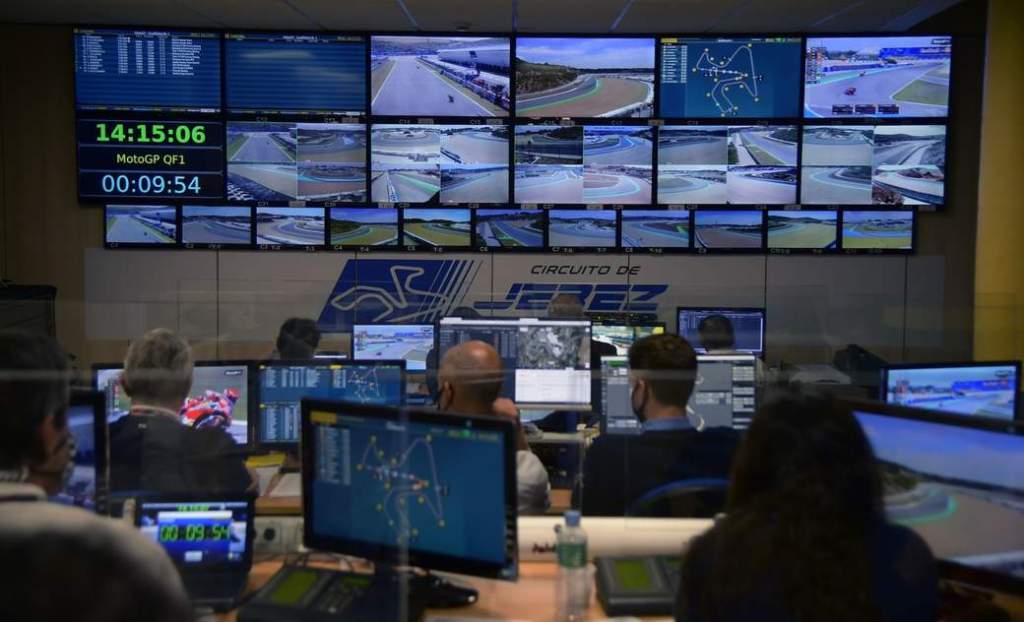
Race Direction used to be responsible for deliberating on penalties, but the role was split in 2016 due to increased workload and pressure – resulting in the Stewards Panel.
It is now the Stewards who have the sole responsibility of giving out penalties. After each incident, they will complete a thorough analysis, taking into consideration past offences, other riders, conditions etc. They will then decide on the appropriate penalty, as advised in the regulations.
Like Race Direction, there are only three Stewards, two from the FIM and a Chairman as nominated by IRTA. Currently, former World Champion Freddie Spencer heads up the panel. All representatives attend every race in person.
What are penalties given out for?
With 78 riders competing across the 3 classes every weekend, there’s a wide range of potential issues and rule violations that could arise. Some are clear cut, and happen often – such as jump starts or exceeding track limits – resulting in consistent and fast decisions. Most other infringements are more complex, with Stewards basing their decisions on a rider’s history and past incidents, if others were involved, and what impact said action had on the wider session.
The general guidelines the Stewards aim to follow are outlined below. This is not an exhaustive list, and will only form part of the final decision made.
| Action | Meaning | Recommended penalty |
|---|---|---|
| Anticipating the start | Moving off before lights out | Double Long Lap penalty |
| Failure to obey direction | Ignoring flags or other communication | Dependent on what the communication is |
| Irresponsible riding | Riding in an irresponsible manner that is causing danger to other riders or gaining an unfair advantage | Also dependent on the circumstances – some things considered may be the number of riders involved, severity of any actions |
| Exceeding track limits | When going over the tracks edge or cutting a corner, and gaining an advantage for doing so | During practice or warm up, that lap time will be cancelled. During a race, either giving any places gained back, or a 3 second time penalty if this occurred in the last lap |
| Ignoring a penalty | Not completing a given Long Lap or other penalty within 3 or 5 laps | Usually a more severe version of the penalty given- i.e. Double Long Lap or ride through. |
| Pit lane speeding | Going faster than 60km/h in the pits | A gradually increasing fine, depending on the number of previous infringements |
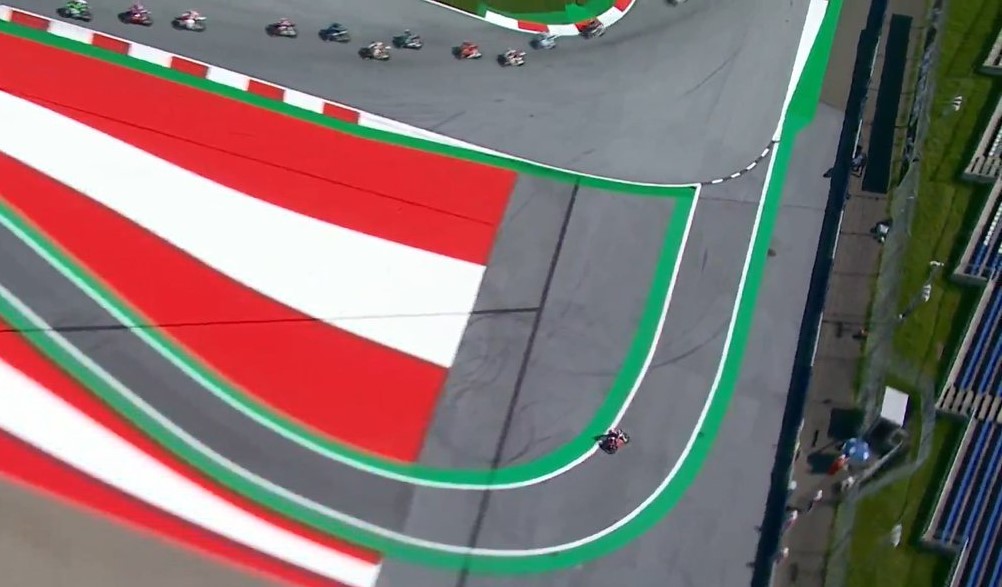
A “Long Lap” involves going through an extension of the track, which is designed to slow a rider down by between 2-4 seconds.
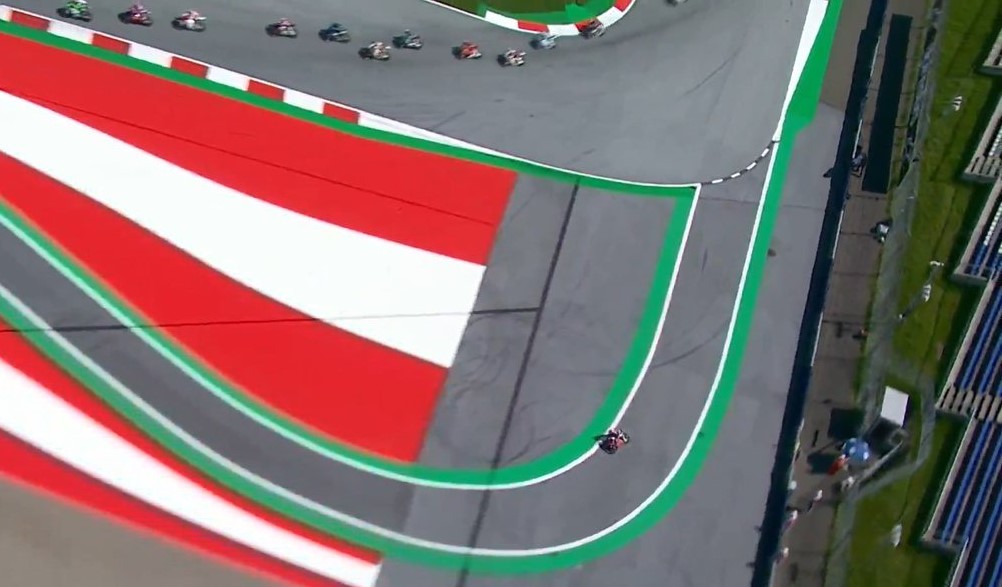
As Stewards have the final say for any actions, they may choose to more harshly penalise certain actions to make an example. This was seen throughout the latter half of the 2023, where several Moto3 riders received warnings and penalties to try and limit the amount of cruising during warm up and qualifying sessions.
So why is there always so much controversy?
Despite being well documented, the penalty system often sparks heated debates among fans and teams alike. There are 3 key reasons as to why the system is flawed.
Firstly, the often ambiguous wording of the sanctions can lead to confusion- recently seen in the 2023 season when Marc Marquez almost avoided serving a double long lap penalty after his sanction referenced the “next GP”, rather than the next GP he participated in. As he was unfit for said next GP, Marc would have avoided serving the penalty. The subsequent outcry led to the stewards reissuing the penalty for the next race Marc participated in, but the wording of later incidents that season suggests that they haven’t learnt their lesson.
It is this irregularity that leads to another cause of frustration- Stewards refusing to speak to the press, or issue statements to explain why a certain decision was made. This lack of transparency makes it difficult for all involved to understand the nuances of the rule book. Fabio Quartaro expressed his frustration about this in 2022, after an “overly ambitious” overtake left him with a long lap penalty.
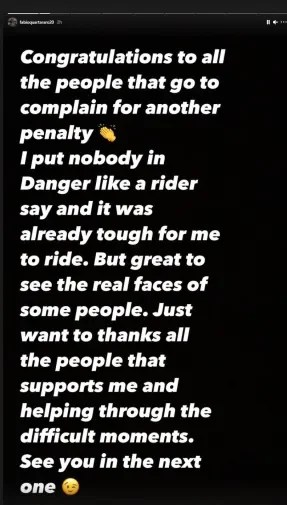
Incidents such as these leave riders unclear if penalties are given on the actions on track, or the consequences of actions.
This lack of trust and understanding between the stewards and the wider paddock community has left them open to accusations of pro-Spanish bias and other favouritism.
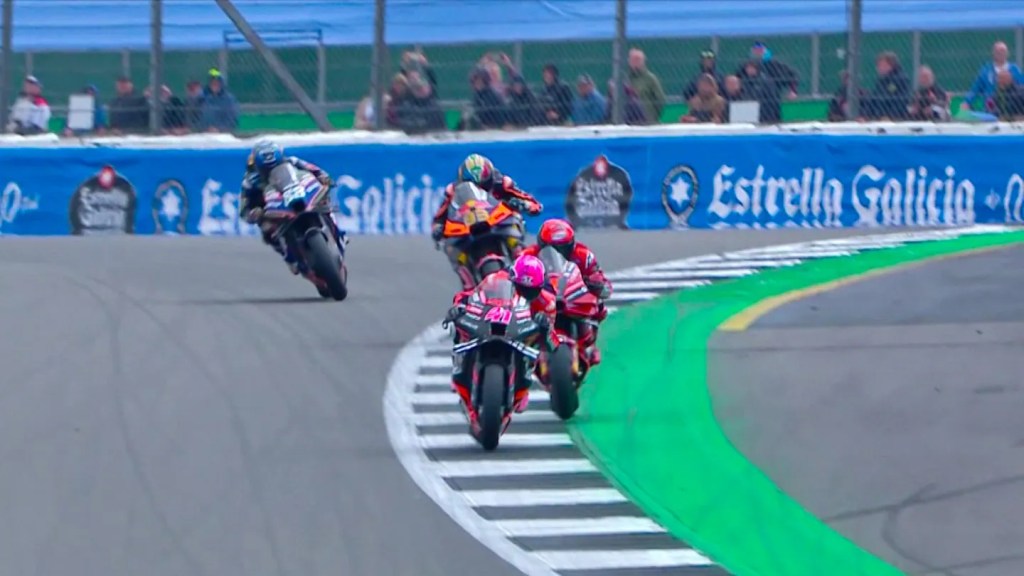
Whilst the system may seem clear on paper, it is one of the most contentious topics in MotoGP at the moment, with a clear need for improvement and change.

 Elbows Down
Leave a comment